
What it is
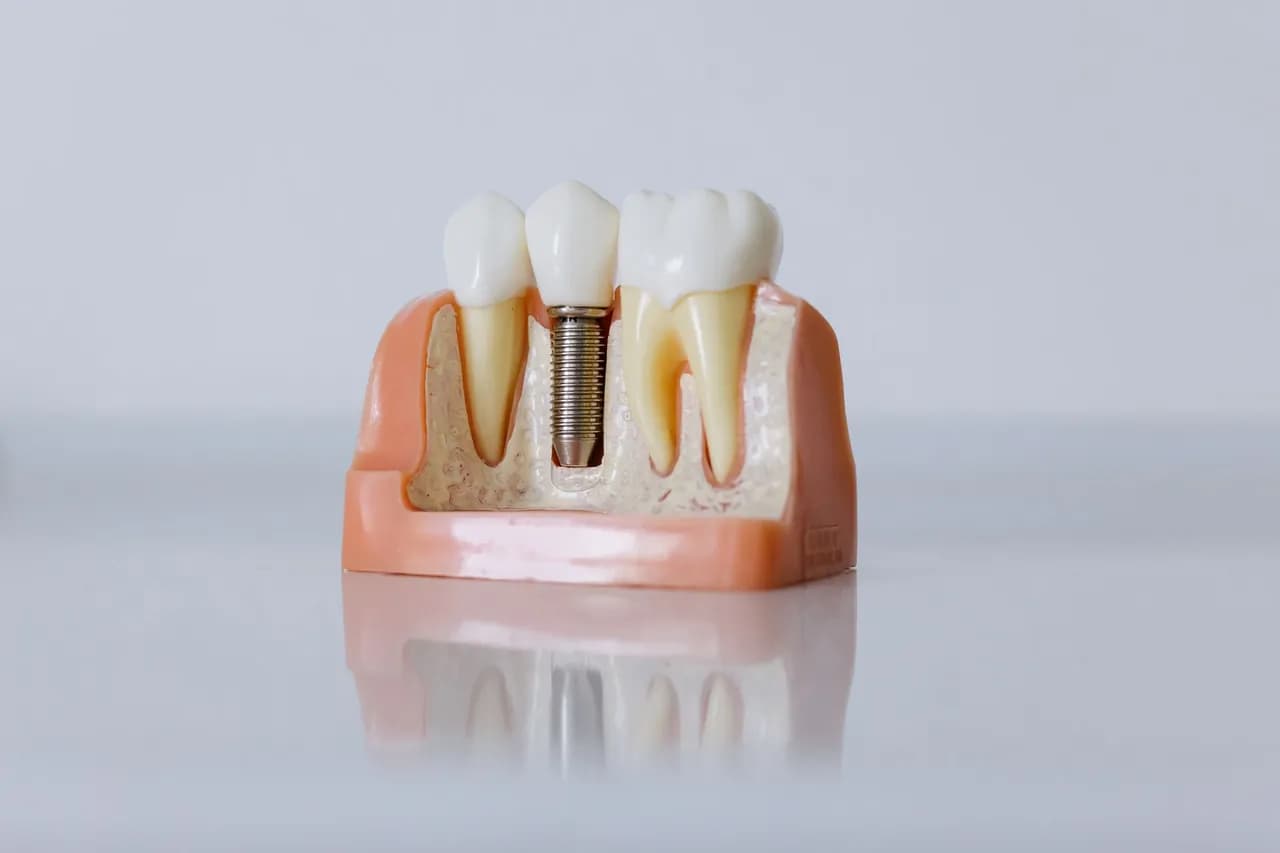
The Implant Positioning Device is a digitally designed guide that allows implant placement exactly as it is planned, with high precision and high safety.
The outcome is faster, more comfortable healing, and a happy patient.
Who it's for
- Dentists planning implants who want guided placement
- Cases where the nerve, sinus or neighbouring roots are close to the planned site
How it works
- 1ScanA CBCT scan of the implant site.
- 2PlanThe implant position is planned digitally in 3D.
- 3GuideA guide is designed from the plan.
- 4PlaceThe implant goes in exactly as planned.
What you get
Precision, safety, comfort:
- Implant placed as planned
- High precision and safety
- Faster, more comfortable healing
Questions
Can the same CBCT be used for reporting and IPS planning?
Yes. Contact us to arrange both from one scan.
Which implant cases benefit most from a surgical guide?
Cases where the nerve, sinus or neighbouring roots are close to the planned implant site, immediate implants after extraction, and multiple implants that must line up for the final teeth.
What do you need to plan a guide?
A CBCT scan of the implant site and an intraoral scan (STL) or impression. We plan the implant in 3D and design the guide from that plan.
IPS: Implant Positioning System
Overdenture
Overdenture: Saving Canals
From CBCT Plan to Patient: Accurate Implant Transfer
Implants Placed Without Slipping Into Extraction Sockets
Upper Full-Arch Implants in Compromised Bone
When a Perfect Case Has No Buccal Bone
Implant With Under 1 mm Mesio-Distal Clearance
Immediate Implants Without Guesswork
Implant in an Unmineralised Socket
Implant at 17: Limited Clearance, Compromised Bone
Minor Vessel Canals: Unexpected Bleeding During Implant Surgery
Freehand vs Guided Implant Placement